Factory expansion & readiness
Before
the line
starts.
Getting a factory expansion
ready for production.
For manufacturers, project teams and local engineering partners building the next stage of capacity.
Discuss your expansion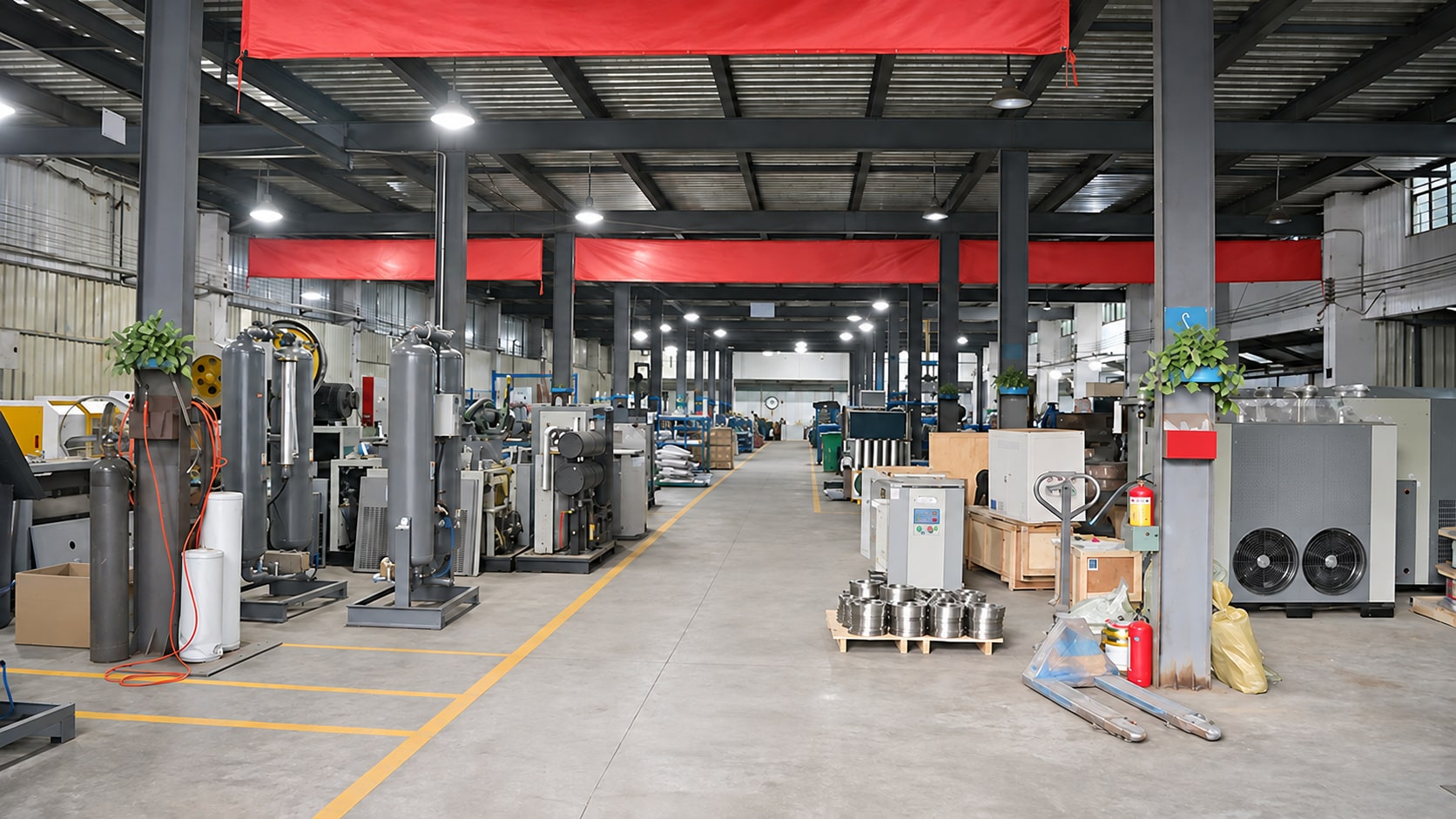
The decision behind the purchase
The machines have a delivery date.
Does the factory?
A new line can arrive while the feeder is unfinished, the compressed-air supply is still untested and the extraction contractor is waiting for a final layout. Equipment has been purchased. Production is still waiting.
For a manufacturer adding capacity or moving into another market, the useful starting point is the connection between the process and the site. Establish what each machine needs, what the factory can already provide, and who will close each gap before installation begins.
This guide connects electrical distribution, air treatment, water and environmental systems around that decision. The right package may be one specialist, a local contractor working with several manufacturers, or an established integrator retaining its own supply chain.
A SINOVAlink film / 2 min 46 sec
Everything but the product.
Power, water, compressed air, heat and controls: explore the capabilities behind a working factory, then use the guide below to define what your project needs.
Write the conditions
for a working line.
Start with the product, process route, required output and operating schedule. Then obtain a utility schedule from the equipment suppliers. For an existing plant, put measured site capacity beside those requirements. For a new site, have the local design team establish the supply and approval conditions.
A practical example is the Haas pre-installation checklist: it covers foundations, access and lifting as well as electrical supply, compressed air and coolant. These details need decisions before the delivery truck arrives.
What must run?
Product and material, cycle or output, shifts, quality conditions and maintenance access.
What must reach it?
Electrical characteristics, air flow and quality, water specification, heat and extraction duties.
What is available?
Measured capacity, shared loads, distribution routes, discharge conditions and expansion space.
Who confirms it?
Test conditions, responsible parties, required records and the person authorised to accept the work.
Buy the missing capability.
Keep what already works.
Organise the work around four questions: can the new load be supplied, can the process receive the right utilities, can its by-products be managed, and can the plant maintain the result? Each answer changes the purchasing scope.
Electrical distribution
Follow the load
back to the incoming supply.
Ask the electrical designer to reconcile the new equipment with the incoming supply, protection arrangement and distribution route. Include starting conditions, simultaneous operation, cable or busduct routing, access for maintenance and space for the next stage.
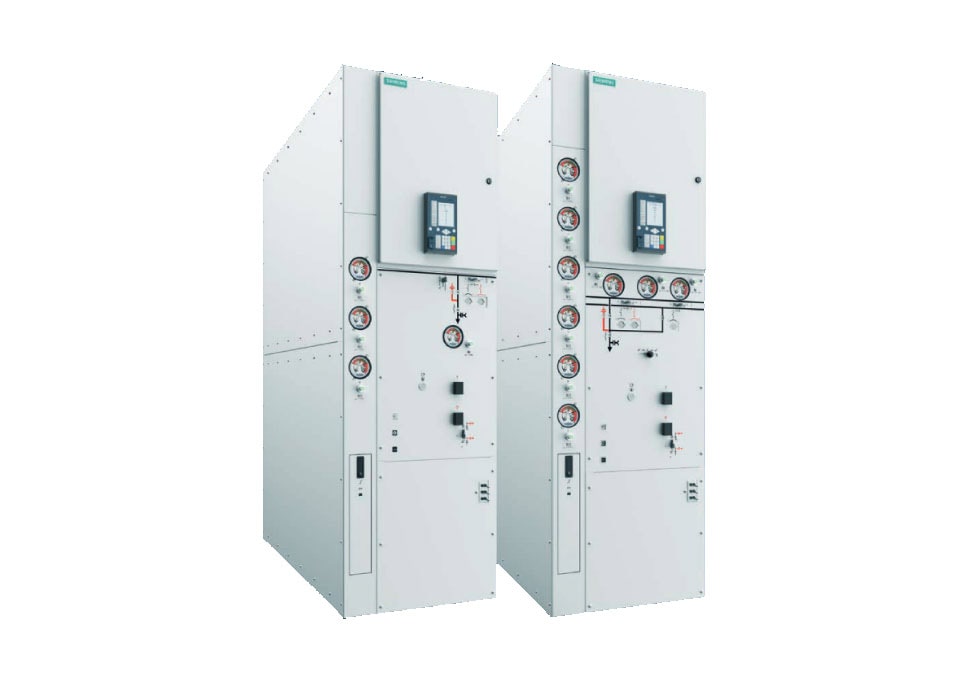
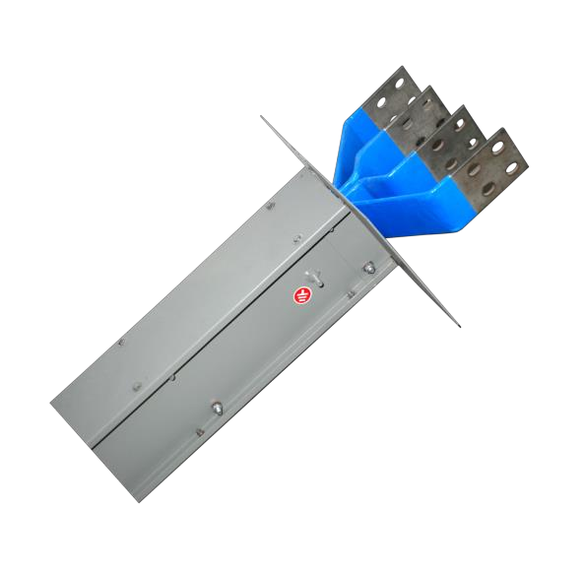
Hangyue / SIMOSYNERGY provides a candidate route for distribution equipment and electrical works, including manufacturing resources in Malaysia. Sanjiang offers another route through switchgear, substations, busduct and associated electrical engineering. Compare the relevant package on local acceptance, specified components, testing, installation and service coverage.
Where the load assessment identifies a power-quality problem, Sheng Ye adds compensation and filtering capabilities, including APF and SVG equipment. First check what is already included in the selected distribution package.
Compressed air & gas treatment
Specify the air
at the machine.
The equipment maker should state the required pressure, flow and air quality at the connection point. The site team then checks simultaneous demand, distribution losses, drainage and maintenance access. Adding a larger compressor may leave an undersized or poorly maintained distribution network unresolved.
LINGYU contributes drying, filtration, gas purification and nitrogen-generation capabilities. Its role depends on the treatment duty and the existing compressor system. Ask for a defined inlet condition, outlet requirement and test method before selecting a unit.
Technical reference: Atlas Copco on compressed-air distribution explains why pressure loss, leakage and condensate management belong in the system assessment.
Process water & wastewater
Start with the water.
End with its destination.
A treatment quotation needs the incoming water analysis, required quality and demand pattern. Wastewater needs a separate description: composition, volume, variability and the permitted discharge or reuse route. Cleaning cycles and peak loads can change the equipment required.
BaiHuiPu brings membrane and pure-water treatment, wastewater treatment and reuse capabilities. Define where its package ends: storage, distribution, dosing, drains, sludge and operator training can fall into different contracts.
Compare operating costs as well as equipment price: electricity, chemicals, membranes, reject water, waste disposal and the labour needed to keep the process stable.
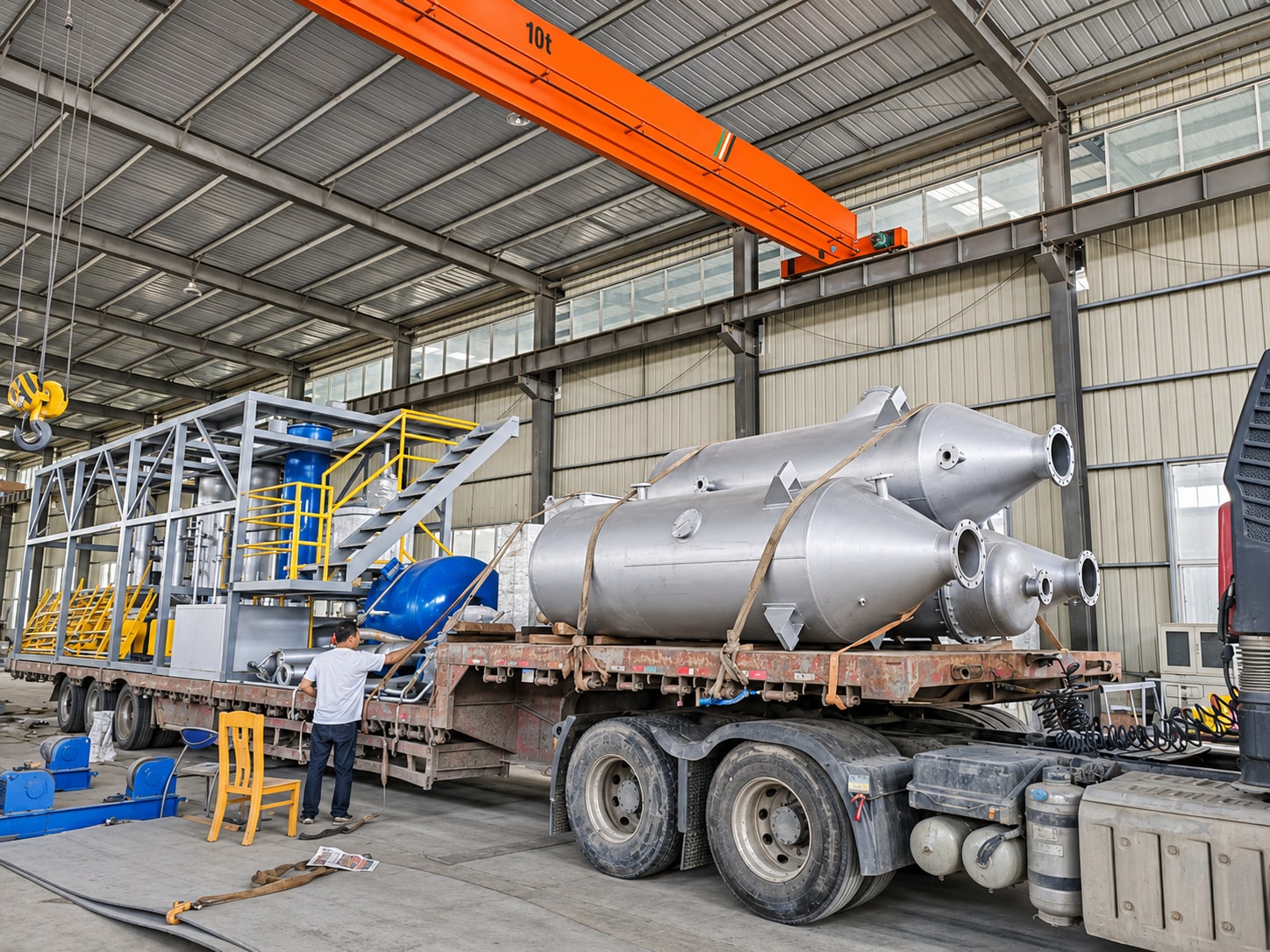
in a longer delivery.
Workshop loading photograph from the manufacturer. Editorial retouching removes signage text and improves clarity. The receiving site still needs a lifting plan, prepared connections and an agreed commissioning scope.
Extraction & environmental systems
Name what leaves
the process.
Metal dust, welding fume, machining oil mist and solvent vapour call for different assessments. Describe the material and contaminant, where it is generated, how it will be captured, and where the treated air or recovered material will go.
Purehua provides industrial dust collection, welding-fume extraction and related cleaning capabilities. KLEANLAND offers capabilities in oil-mist and industrial exhaust treatment, including VOC treatment or recovery for relevant processes. Select the technology against the actual pollutant and operating conditions; a collection unit suited to one stream may be unsuitable for another.
Bring the local EHS and engineering teams into the decision early. Combustible dust, solvents, discharge limits and fire protection require the appropriate specialist assessment and local acceptance.
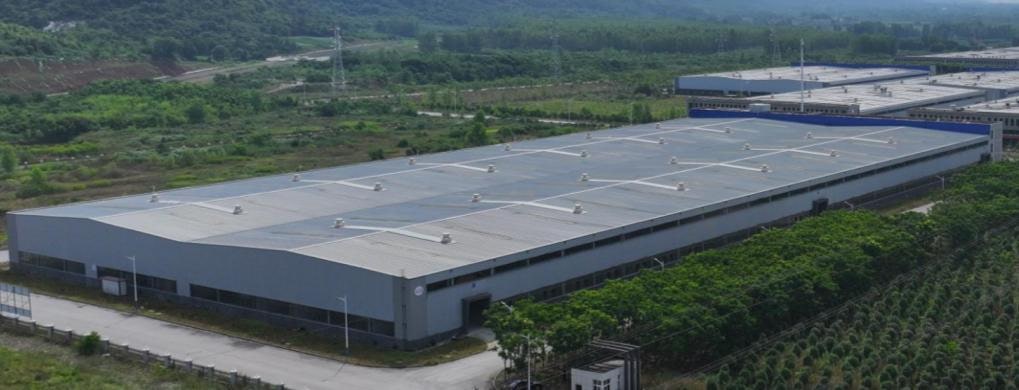
Facility photograph from Purehua’s corporate brochure. For a purchasing decision, request evidence tied to the proposed equipment: materials, fabrication and inspection records, test scope and service arrangements.
A defined duty, a justified treatment route and a responsible delivery party—enough for the buyer to compare offers on the same basis.
The difficult part
can sit between
two good suppliers.
A water skid arrives with a flange. The site drawing shows a pipe. Someone still has to own the connection, the control signal and the test.
Put these handoffs into the scope before placing orders. Define physical connection points, design information, control and alarm signals, installation responsibilities and the conditions for testing. Record who pays when a change crosses a contract boundary.
Deer Smart is a potential lead-integration route where a project needs factory engineering, electromechanical and process works, automation or asset-management coordination. Its appointment should follow the country, sector and contracted scope. Where the buyer already has a competent integrator, build around that team and fill only the missing work packages.
Define the package.
Utility requirements, connection drawings, operating limits, equipment tests, manuals and warranty conditions.
Make it work on site.
Local design and approvals, foundations, distribution, tie-ins, safe installation and agreed site tests.
Accept the result.
Production requirements, operating access, acceptance authority, trained operators, maintenance and spare-parts ownership.
SINOVAlink can help structure the brief, compare relevant capability routes and coordinate the questions across these parties. Engineering sign-off and site acceptance stay with the appointed, qualified parties under the agreed contracts.
Bring in a specialist when the brief calls for one
A wider capability base.
A selective project team.
Some expansions need more than the core utilities above. Use the operating requirement to decide who joins the work. Existing equipment, an OEM’s standard package or a capable local provider may already cover the need.
Pressure & distribution
BEDFORD / WOLANDE for pump control and constant-pressure water supply; Juntong for defined water, drainage and building-pipework scopes. Keep process-water quality and distribution duties separate.
Process heat
Tongyi for suitable commercial or industrial heat-pump duties. Source conditions, required temperature, load profile and integration with existing heating determine the fit.
Sludge handling
Nuoguan for dewatering, drying and related treatment needs where sludge volume or disposal cost becomes a constraint. Compare with any equipment already included in the water-treatment proposal.
Connections & working conditions
Yuedao and Zhongde for defined data, control and cable requirements. Z-Mind for appropriate large-space air-circulation duties. General ventilation is a separate task from capturing process contaminants.
Book commissioning
against readiness.
Use an agreed sequence with evidence at each stage. This gives the project manager a way to release the next activity and the plant team a way to understand what it is accepting.
- 01
Before purchase orders
Agree the utility schedule, scope boundaries, local design route, acceptance criteria and who resolves changes. Separate essential work from later expansion options.
- 02
Before dispatch
Review the agreed factory tests and documents. Confirm access, foundations, unloading resources, connection locations and which site works must be finished.
- 03
Before the production trial
Complete site inspections and utility checks at the agreed points and conditions. Record open items, safety prerequisites, controls and alarm tests, and the authority to proceed.
- 04
Before operational handover
Run the agreed acceptance trial. Close or formally allocate outstanding work, then transfer manuals, training, spares, maintenance routines and service contacts to operations.
The commercial test
What would one more week of delay actually cost?
Ask the finance and plant teams to identify the contribution genuinely lost, contractor standby, extra storage, return visits and any contractual exposure. If production can be recovered later, account for the overtime or extra shifts instead. Use that exposure to decide which verification deserves money before dispatch.
Questions from the project team
Before you issue the brief.
What should a factory expansion readiness review cover?
It should connect the process and equipment requirements to available site utilities, physical and control interfaces, local design and installation responsibilities, and a staged acceptance plan. The result is a defined scope for the gaps that remain.
Can we keep our existing contractor or equipment suppliers?
Yes. Start with their contracted scope and evidence of capacity. SINOVAlink can help investigate the missing capability or unresolved interface while the existing team retains the work it can deliver.
Do we need every manufacturer shown in this guide?
No. The guide presents capability routes for different requirements. A project may use one specialist, choose between overlapping suppliers, or retain an integrator’s established package. Selection follows the process, country and responsibility split.
How do we begin if the design is still early?
Share the project country, what you intend to manufacture and the current project stage. A machine list, layout or known bottleneck can support the next discussion. Detailed technical material can follow once the relevant scope and confidentiality arrangements are agreed.
Start with your project
What has to be ready
for your line to run?
Tell us the country, the product or process, and where the project stands.
SINOVAlink brings industrial capability and market context into the same conversation. We can help frame the unresolved work, identify relevant manufacturers or local partners, and agree the next verification step with your team.
Discuss a factory expansionBy SINOVAlink Editorial · Capabilities in context
Technical reading: Haas — Pre-installation checklist; Atlas Copco — Compressed-air distribution. These sources inform the technical discussion; they are not presented as SINOVAlink partners.
Photography and product imagery: LINGYU, SIMOSYNERGY, Sanjiang, BaiHuiPu and Purehua. AI-assisted editorial retouching is used for the LINGYU and BaiHuiPu photographs. The photographs illustrate individual manufacturing capabilities, rather than a jointly delivered project.
More industrial perspectives