Packaging
Systems
What a new pack asks of the factory, the distributor and the people who open it.
Field note 01: Before you tool the tray ↗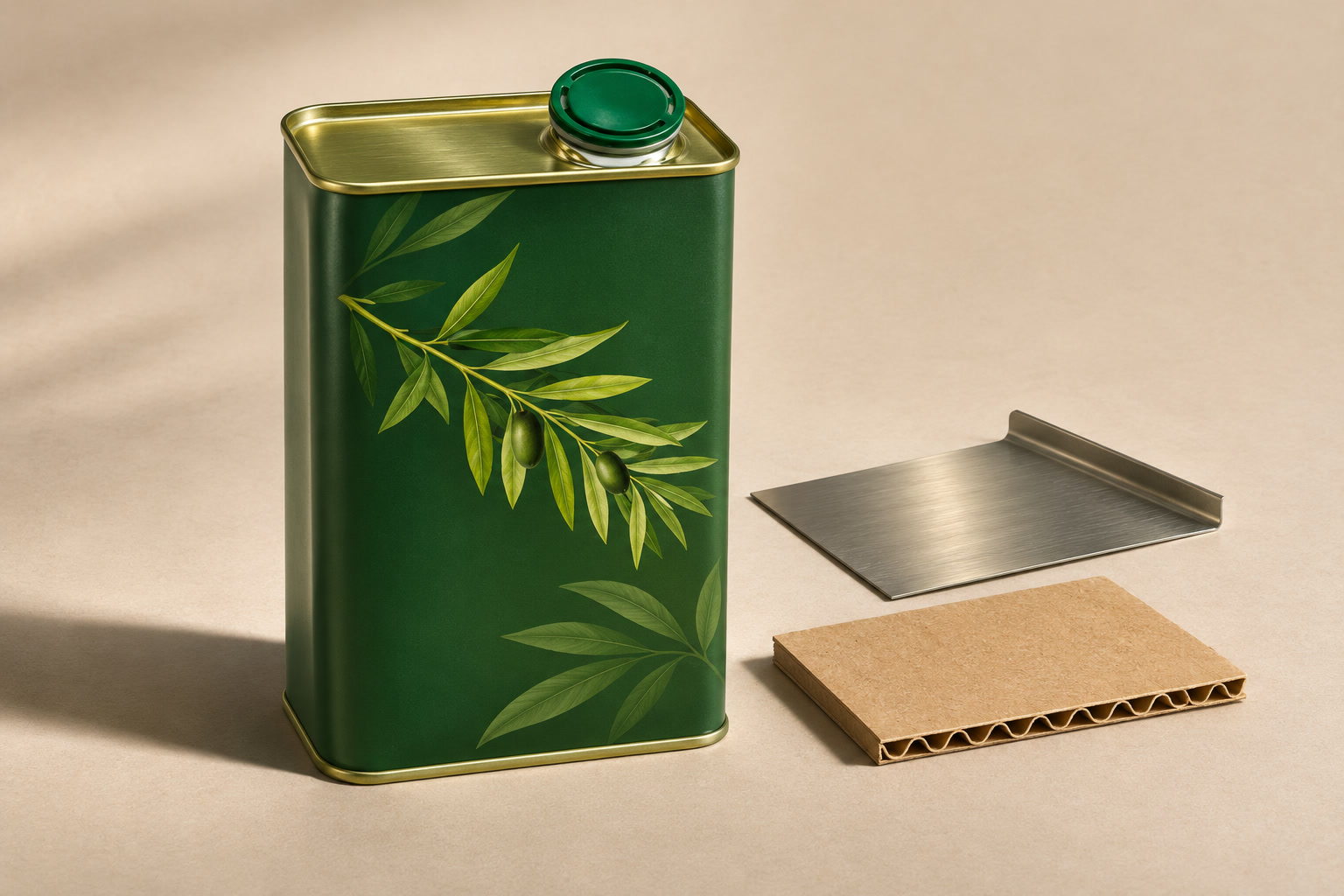
A SINOVAlink film / 2 min 10 sec
Already on the shelf.
A drink, a shampoo and a gift tin each bring a different set of manufacturing decisions. Follow the packaging from its material and components to the equipment that fills, closes and packs it.
The buying decision
Change the bottle. What else changes?
A taller bottle may hold the same volume and still need a different filling setup, a deeper shipping case and a new pallet pattern. Three people will see three different costs: the buyer who orders the bottle, the operator who fills it and the distributor who takes the case.
Put one finished sample in front of all three before approving the drawing. The brand has to protect the product and make it useful in the customer’s hands. The converter has to turn sheet, film or fiber into repeatable parts. The packer has to close, code and load them at working speed. Then a retailer, parcel carrier or service depot has to handle what comes off the line. A system that works for a full pallet can fail as soon as someone breaks it up.
Before the metal goes to print
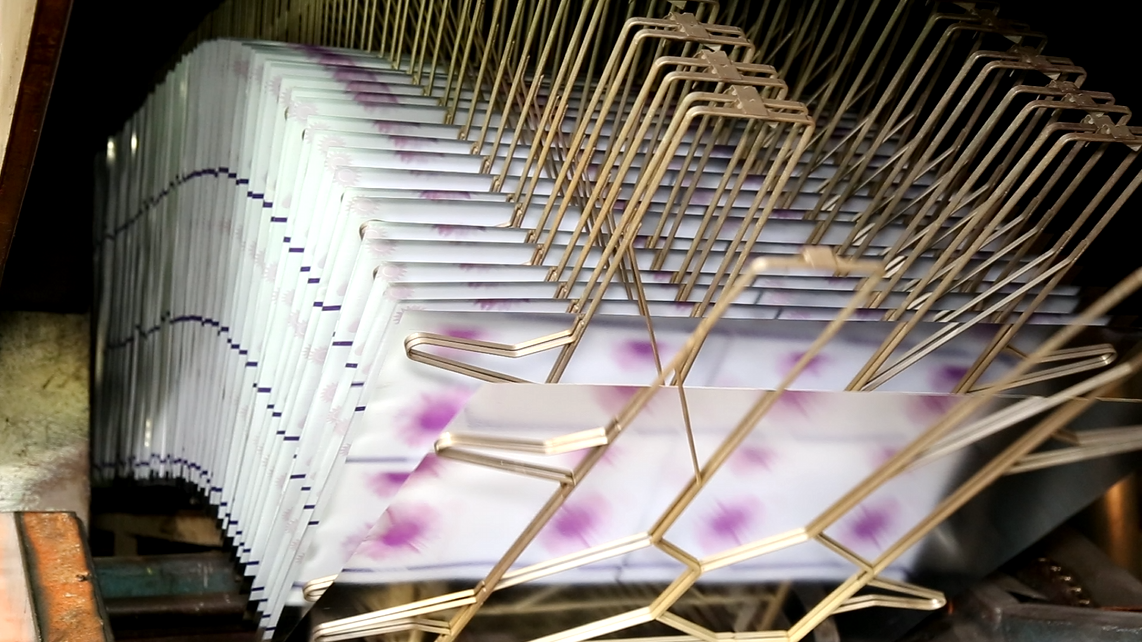
For a first shipment of edible oil, a custom tin commits money before a drop reaches the shelf. If the importer changes the label, who owns the sheets already printed? If the packer cannot run the closure, who pays for the change parts?
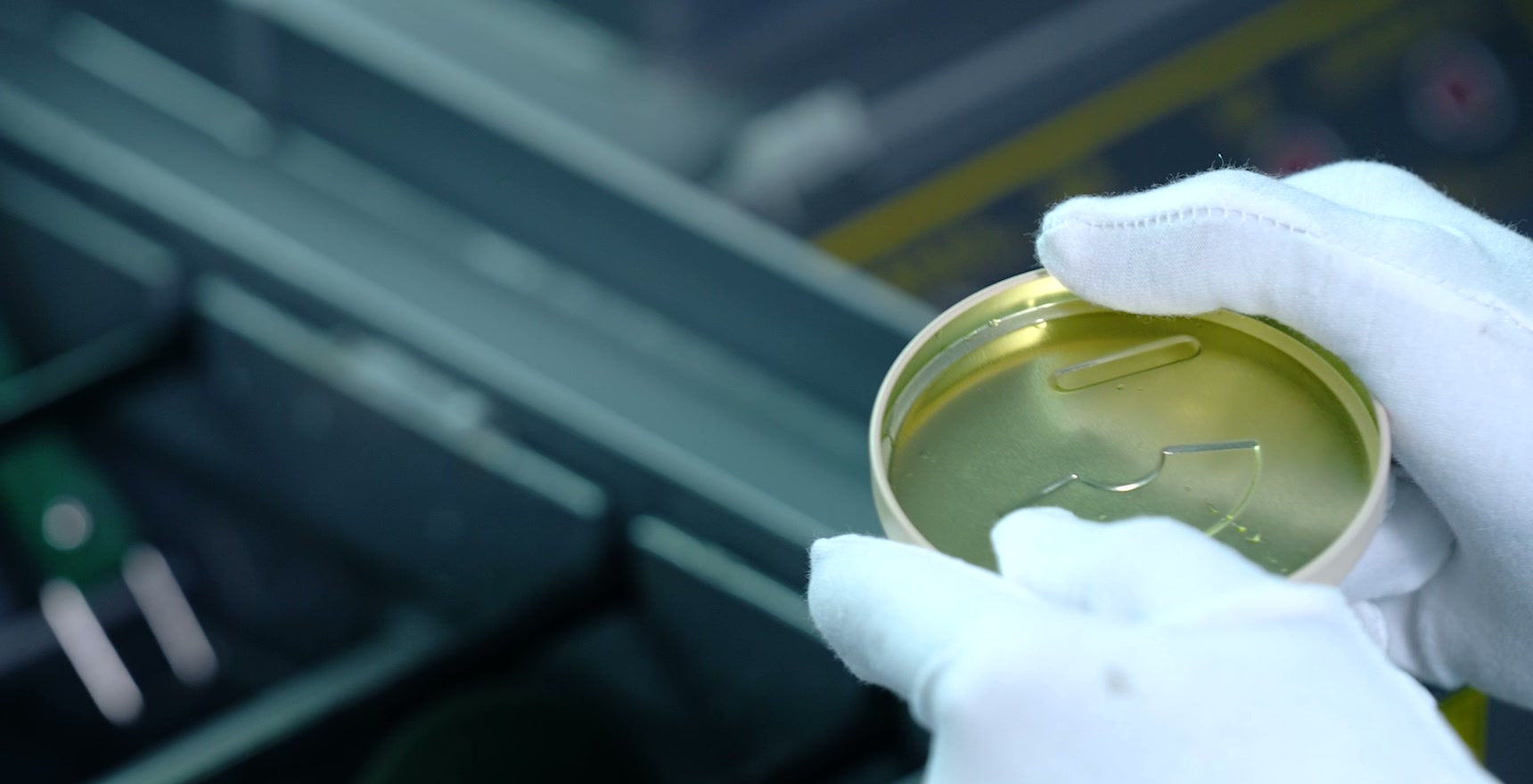
DADI Weiye makes printed tinplate containers, including rectangular one-litre oil cans. Ask for a plain sample with the intended closure. The packer can check feeding and closing while the quality lead reviews the lining for the oil. The importer can still change the artwork without writing off a print run.
Keep a second quote on the table: a local co-packer’s stock bottle, filled, labeled and delivered. Compare the cost per unit accepted by the distributor. For a short launch the stock format may win, even at a higher unit price.
What is slowing the line?
Watch the next changeover with the operator. A bottle that jams at the infeed, a pouch that leaks at running speed and a tray that sticks to the one beneath it all show up as lost output. They call for three different purchases.
Bottle handling
Run the closure as well as the bottle.
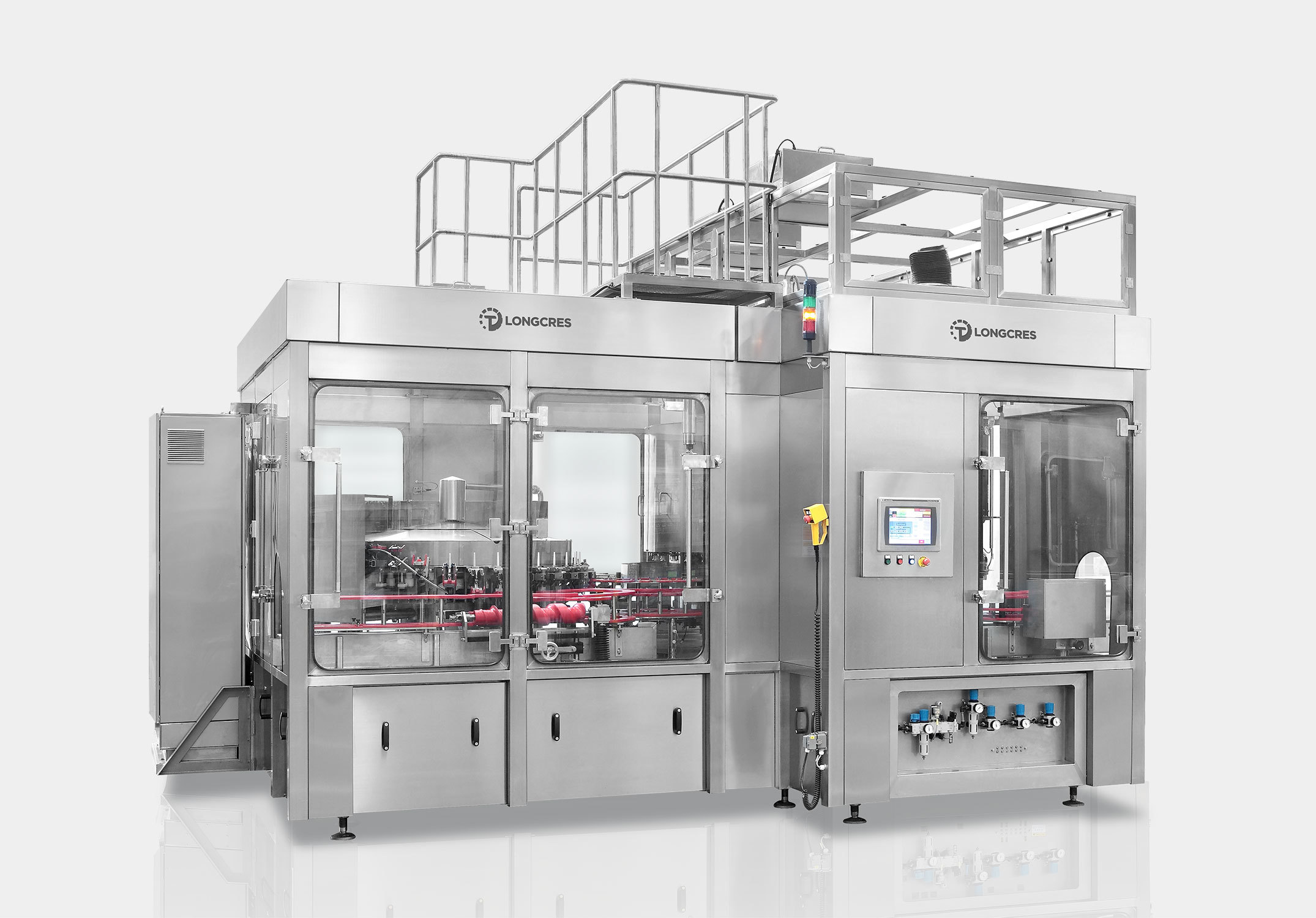
A filler quote is useful when it covers the bottle, neck finish and cap that the brand will actually buy. On a Top-Tech / LONGCRES rinse–fill–cap configuration, ask the integrator to demonstrate feeding, closing and restarting after a jam with the chosen samples. Count saleable bottles at discharge.
A co-packer with the right change parts may already be able to run the order. Buy equipment when repeat volume and the time lost on the existing line justify it.

Blown film equipment is built here. For a line trial, agree which resin, film width and winding conditions the factory should run.
Manufacturer photograph; lettering removed and color adjusted with AI assistance.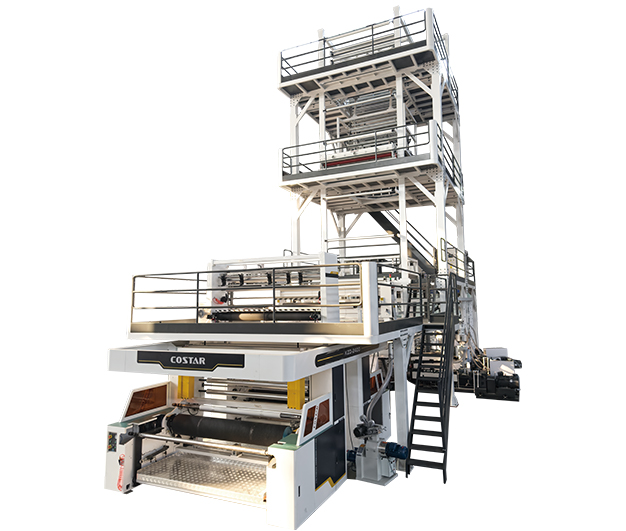
02 / CORSTAR · Film conversion
Who buys the roll? Who buys the tower?
A brand buying pouches needs a seal that holds with its product at filling speed. Its converter can trial bought-in film. A five-layer co-extrusion line, such as the CORSTAR machine shown here, becomes a separate investment when repeat orders justify making the film. Quote the accepted roll, including scrap at start-up and changeover.
03 / Aukin · Dispensing components
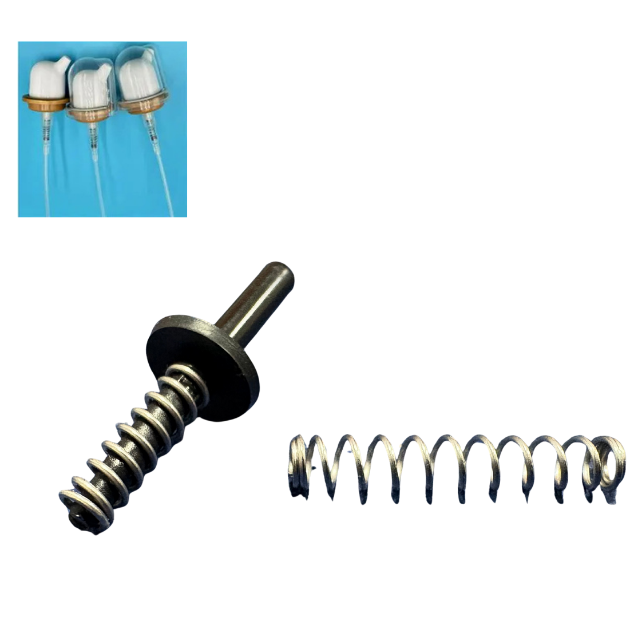
Check the spring inside the closure.
If a dispenser fails to return or leaks after use, ask the closure maker to test the assembled valve with the actual formulation. Aukin’s spring is one part the team can evaluate for return force, travel and repeated use. The closure maker still has to approve the dose and seal of the complete assembly.
Before you tool the tray
The distributor opens a pallet and forwards one boxed instrument by parcel. Has anyone tested that second journey?
Read the illustrated field note ↗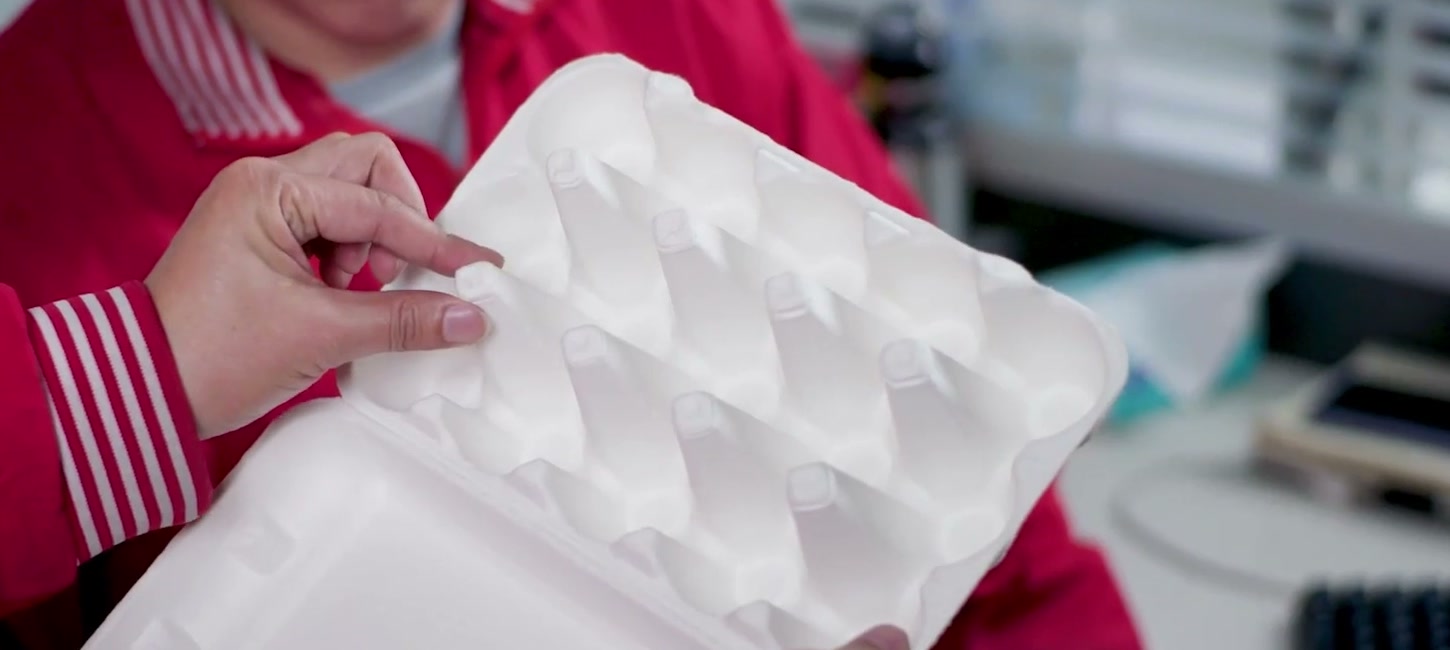
Start with the instrument and accessories in the carton as shipped. A local converter can make trial inserts; the equipment maker’s quality team should name the surfaces the insert must avoid and define what a functional failure looks like after transit. Ask the lab to select a test for the actual route. ISTA’s selection guidance distinguishes parcel handling from unitized loads.
Sometimes the geometry matters more than the material. In its printer packaging redesign, Brother concentrated cushioning at the corners and reported 33% less molded pulp weight and a 7% reduction in box size against its previous pulp design. For another product the better alternative might be folded corrugated board. Put both designs through the same trial before releasing a tool.
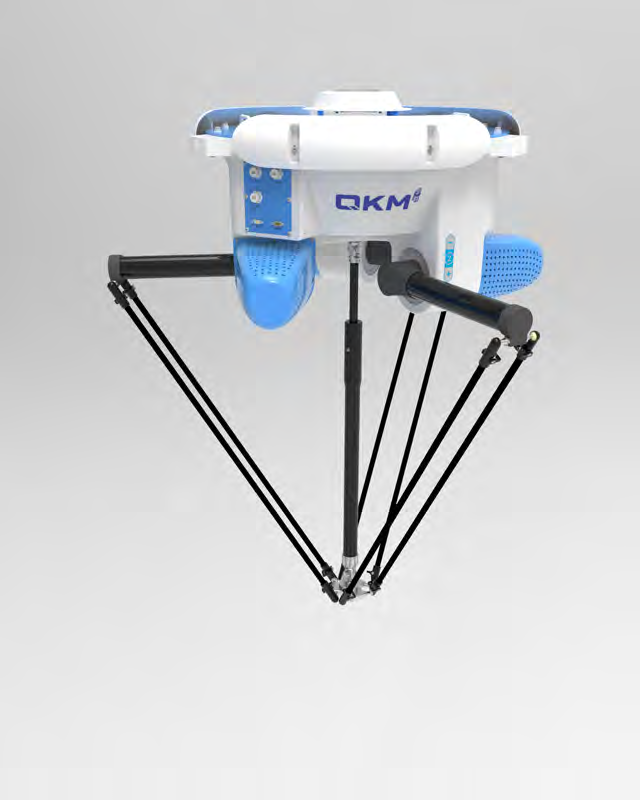
At pack-out / QKM AP8X
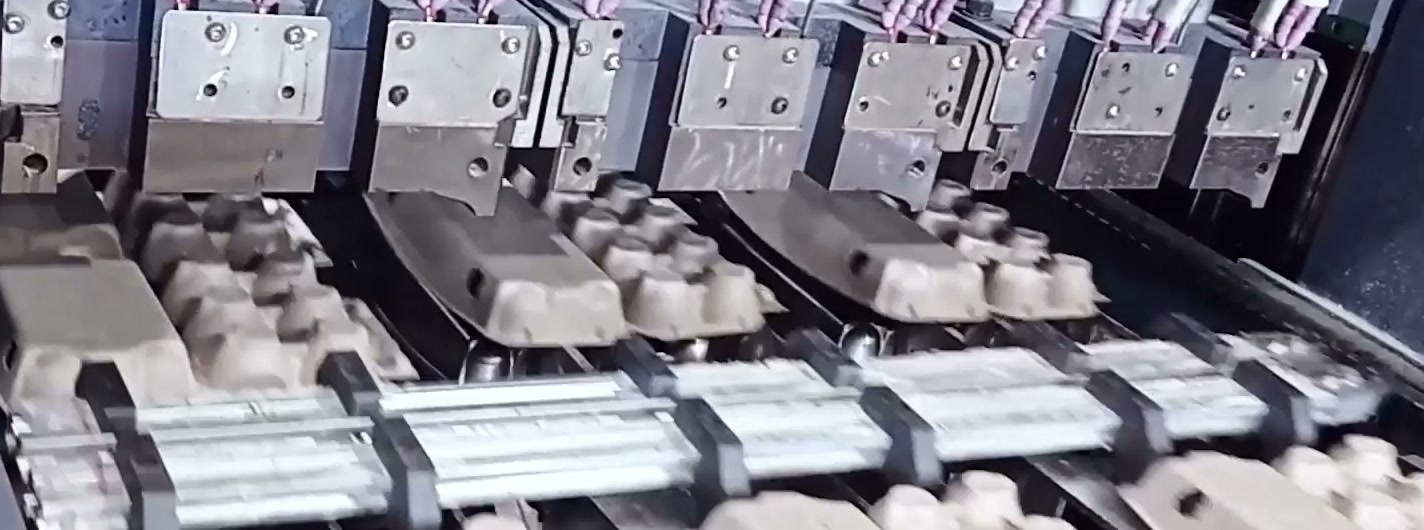
Two inserts in one pick?
Time the operator separating a nested stack. If picking really limits output, QKM’s AP8X Delta robot can track product on a moving conveyor. The open question is the gripper: can it lift one insert at a time without marking or deforming it? Have the cell integrator record missed picks and recovery time on the actual stack. If the delay is at the dryer, another robot buys no extra output.
Across markets
Whose approval gets your pack onto the line?
A converter entering a new country may already own the tooling. The missing piece is often a place to run a trial. For a protective insert, the equipment brand may own the drawing, the contract packer may buy the inserts and the distributor may hold the returns record. A distributor introduction alone does not settle who can change the drawing.
SINOVAlink can work with the manufacturer to identify the specification owner, a local trial partner and the evidence needed for a first production decision. Start with one pack, one application and one target market.
Work with SINOVAlink
Bring the pack you want to change.
Tell us what goes inside, where it travels and what decision is pending. We can help compare a stock pack, a custom component and a line change on the same brief, or find the route to a buyer’s first trial in a new market.