Capabilities in context · 05
Win the first
application.
A route into new industrial markets for specialist technology manufacturers.
The distributor is in place. The next job is to get your technology into a decision, a trial and a working application.
Explore the application routes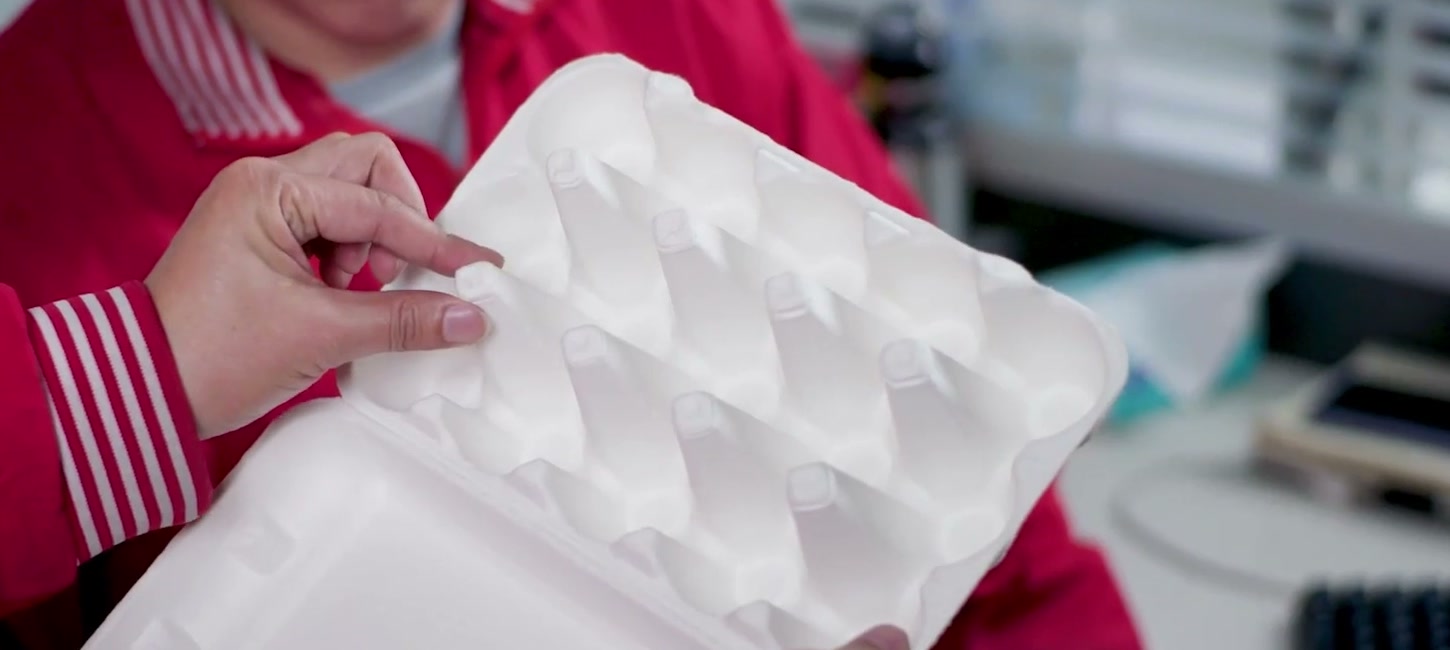
The commercial problem
A good introduction
needs somewhere to go.
Your distributor can introduce a vision system to a packaging machinery builder. To put it on the next machine, someone must approve the inspection task, find production samples, release engineering time and take responsibility for support.
A promising meeting can stall between those decisions. Sending the catalogue to more companies leaves the same work unfinished.
For an industrial technology manufacturer entering a new market, choose one application where a customer has a reason to change. Then establish who can authorize that change and what evidence they need. Keep a capable distributor involved: local service, commercial follow-through and knowledge of the installed base can be decisive.
of Cognex’s 2025 revenue came from customers based outside the United States.
Technical reach needs an operating role.
In its 2025 annual filing, Cognex describes a dedicated partner-enablement sales role working with machine builders, systems integrators and automation solution providers. For a smaller manufacturer, the practical question is who will do that work in the next market. Source 2
01 / The buying group
Find the person who can
put your technology to work.
The user who feels the problem, the engineer who chooses the component and the company that issues the purchase order may be different.
Agree on the production problem before debating the route to market.
Owns the loss
Shows the reject, stoppage or changeover problem. Provides representative parts and a production window.
Owns the design
Approves interfaces, controls and installation. Identifies what must change on the machine.
Accepts the result
Defines defects and allowable variation. May sit outside the factory buying the equipment.
Commits the budget
Approves trial costs and the purchase route. Checks the supplier and commercial terms.
Keeps it running
Supports commissioning, spares and response. Needs a commercial reason to invest in the application.
A working role map, not a fixed organization chart. One company may cover several roles; confirm the arrangement for the actual project.
For a retrofit, the plant may pay and its maintenance team may control access. For a new machine, the OEM can select the technology before the end user sees a quotation. Entering late changes the job: a proposal to improve performance becomes a proposal to reopen an approved design.
Look for the event that creates a usable window: a new package format, an OEM platform redesign, a quality problem the incumbent has not resolved, or a local service gap. If the existing solution is working and no change is funded, another introduction has little commercial value.
02 / Packaging as an application market
Three different routes
into real manufacturing.
Our manufacturing relationships help us ask specific application questions. CORSTAR, BeSure and QKM illustrate separate areas of process and equipment expertise. A prospective collaboration starts with an identified need and each party’s agreement.
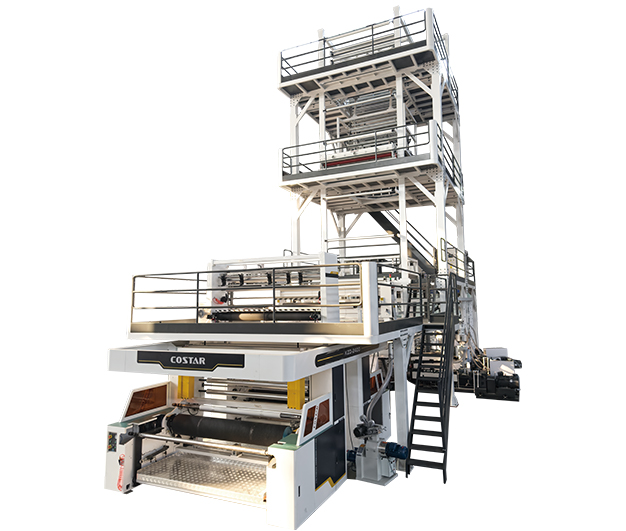
Route A / Film quality
Sell an inspection task the converter needs.
A specialist inspection manufacturer needs to know which defects matter on the converter’s actual film, where the system can be mounted and who will act on its output. A camera demonstration on clean, stationary samples answers only part of that brief.
CORSTAR’s published five-layer industrial-film specification lists take-up speeds of 5–90 m/min for the two listed models. That range gives an inspection discussion a concrete operating context; the trial still needs the actual material, web conditions and defect set. Capability sources
The next useful decision: will the converter and machinery engineer agree to compare the proposed inspection against the current method, including missed defects, false rejects and operator response?
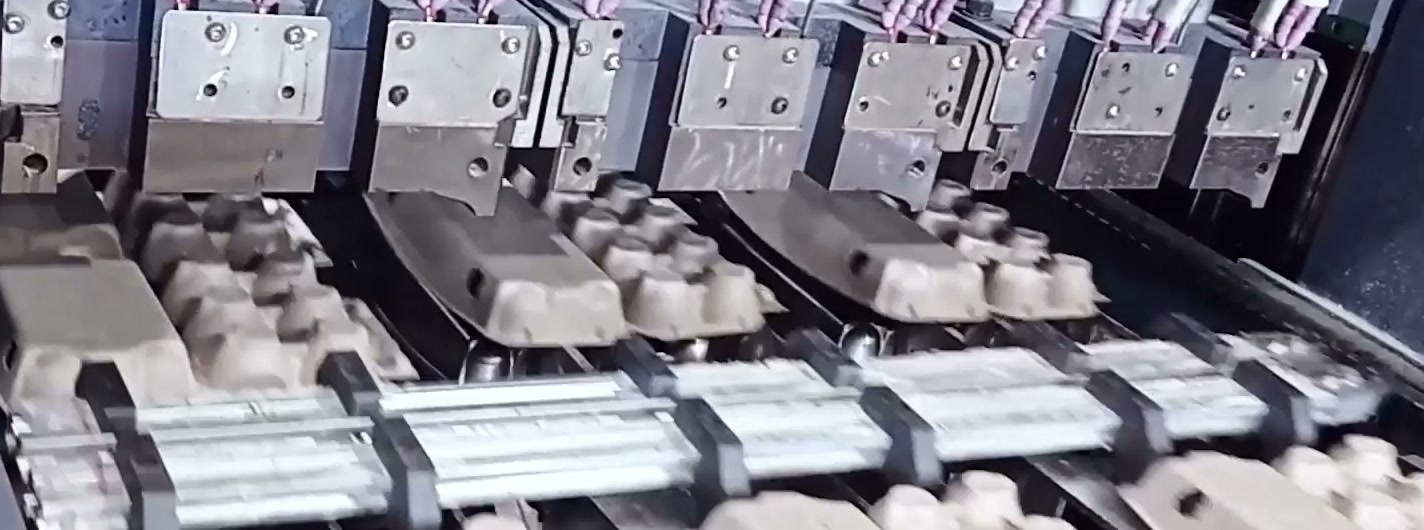
Route B / A new fiber shape
Find the unresolved step in the process.
BeSure’s industrial-packaging equipment spans pulping, forming and drying. For an overseas sensing, inspection or handling specialist, a new part shape could raise a useful application question: where does deformation start, which surface can be gripped, or which variation causes the pack-out stop?
Review the line’s existing controls and inspection before proposing another subsystem. The converter and process-equipment team must decide whether the cause is material, tooling, drying or handling. A better sensor earns its place when its information changes a production decision.
The next useful decision: can the process owner supply representative good and faulty parts and name the operating change that would follow a successful test?
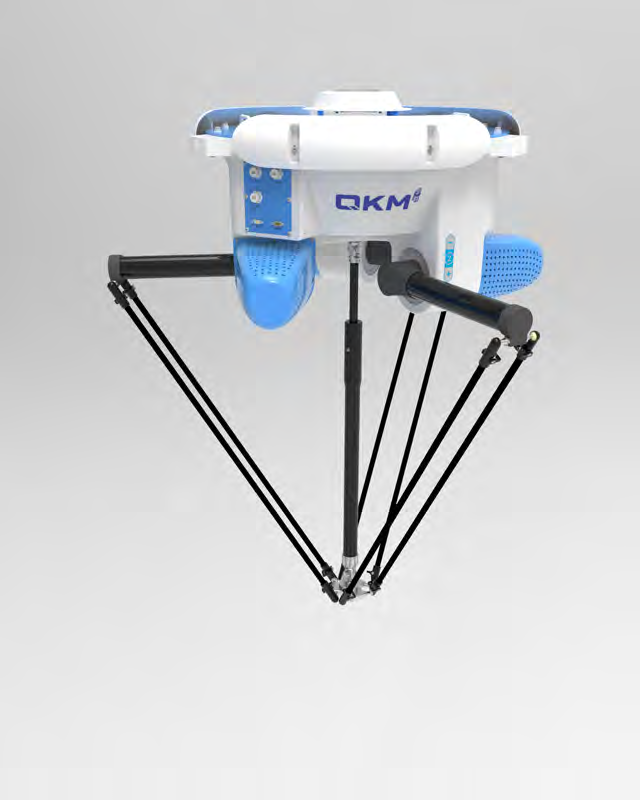
Route C / Picking and integration
Work through the builder of the cell.
QKM’s AP8X manual describes picking and sorting with dynamic conveyor tracking. A specialist gripper or vision supplier enters through a defined integration task: separating nested pieces, detecting orientation or handling variable cartons, for example.
The robot, gripper and camera each have a specification. The cell integrator has to make them work together at the required cycle, manage recovery after a missed pick and accept responsibility for machine safety. The manufacturer’s application engineer should join that discussion before a trial is priced.
The next useful decision: who owns the cell, which interfaces are open to change, and what test would earn the component a place in the design?
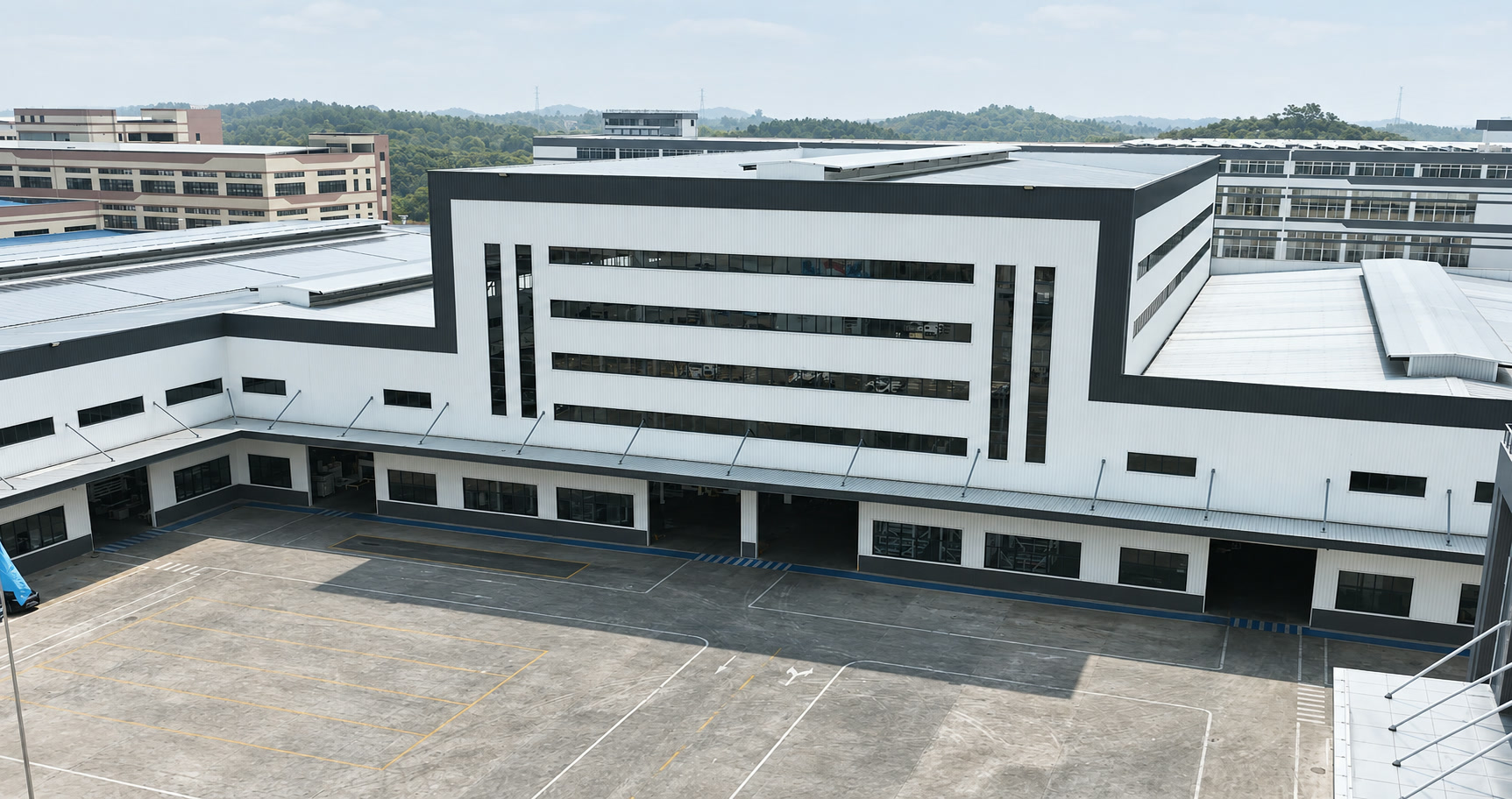
A place where film-production equipment is built. Application development connects a specialist’s technology to the machinery, material and people that determine its use.
Manufacturer photograph with lettering removed and color adjusted using AI assistance. No trial or procurement invitation is implied.A published industrial example
The distributor and the engineer
can solve the same problem.
Piab’s 2022 account of a box-forming project at Rao Farmaceutici describes a working combination: integrator Cob-Solution built the system, Piab supplied vacuum technology, and authorized distributor TMA contributed to selection. Different carton sizes, porosity and stiffness shaped the gripping decision. Source 3
This is the kind of cooperation a market-entry brief should make possible. The end user has the operating problem, the integrator assembles the answer and the technology supplier supports the difficult selection. The distributor remains part of the commercial and technical route.
For a new supplier, a self-contained subsystem with dependable spares may be easier for the integrator to adopt than several individually attractive components with separate support arrangements.
03 / The cost of adoption
Price the first application
before promising the next ten.
Before sending a demonstration unit overseas, agree who pays for sample preparation, application engineering, freight and return, installation time and a failed test. Include the work the distributor and local integrator must perform.
A technology manufacturer can fund a limited market-validation engagement when a defined application justifies the investment. A plant may fund a trial tied to its own production loss. Put the sponsor and scope in writing before committing the team.
Estimate contribution after product cost, channel margin, local support and application-specific engineering. Recovering a first design-in cost over repeat machines is sensible only when the OEM has a credible repeat programme.
When the trial solves a one-off problem requiring extensive customization, price it as a one-off. A smaller qualified application can be a better first market than a larger segment with inaccessible standards, closed designs or an established supplier that already meets the brief.
Work with SINOVAlink
Start with one product,
one application and one market.
For manufacturers expanding across markets, SINOVAlink can structure a limited market-entry engagement around the decision holding back adoption. An existing distributor can participate throughout.
Give the work a concrete endpoint.
We agree the product scope, market, channel arrangements and decision to reach. The work can cover an application brief, a reasoned route to specification owners and trial partners, and a validation plan with named responsibilities and costs. Where counterpart discussions are included, their actual feedback determines the recommendation.
The manufacturer supplies product limits, application engineering and the commercial authority to support the work. SINOVAlink organizes market research, counterpart coordination and the decision record. Engineering acceptance stays with the responsible OEM, integrator or end user.
Fees, third-party testing and any continuing commercial role are agreed for that scope. The first task can stand on its own; a subsequent operating commitment should follow what the application reveals.
SINOVAlink is an AI-native Industrial House. Our work connects industrial capability with growth across markets. Depending on the task, that can involve a manufacturing partner, a local integrator, an existing channel or the client’s own team.
Which application are you trying to win?
Tell us your technology, target market and where adoption is stuck. Mention your existing channel so we can discuss the missing work without disrupting it.
Practical questions
Can we work together if we already have a distributor?
Yes. Begin with the distributor’s current responsibilities and agreed territory or account rights. The useful scope is the work still missing, such as application development, access to a specification owner or coordination of a technical trial.
Do we need to buy from a SINOVAlink manufacturing partner?
No. A manufacturer can commission work on its own cross-market growth. Manufacturing relationships enter the task when their process knowledge or capability is relevant.
What should we share first?
A public product description, the application and market you are considering, and the decision you cannot yet make. Detailed drawings, samples and confidential account information can follow through an agreed exchange once the scope is clear.
Sources & image notes
Public industry examples are separate from SINOVAlink’s work. The application questions and route recommendations are SINOVAlink’s analysis. Research checked 11 November 2026.
- Skylark Lasers, business-development announcement, 1 September 2025. Existing distributor collaboration and targeted application development.
- Cognex, 2025 Form 10-K, “Sales Channels and Support Services.” Revenue geography is based on customers’ location; the figure is company-specific.
- Piab, Cob-Solution / Rao Farmaceutici case, 9 September 2022. Distributor and supplier engineering input in a box-forming application.
- Manufacturer capability references: CORSTAR, five-layer industrial-packaging blown film machine specification (SJ65/55/55/55/65-1800 and SJ75/55/55/55/75-2000); BeSure, industrial-packaging pulp molding line description; QKM, AP8X Robot User Manual V1.1.0, chapter 2. Equipment is shown as application context, not an announced jointly validated configuration.
Product and process images: CORSTAR, BeSure and QKM manufacturer materials. The factory photograph is identified with its editorial treatment in the caption. All other images retain the source product or process.